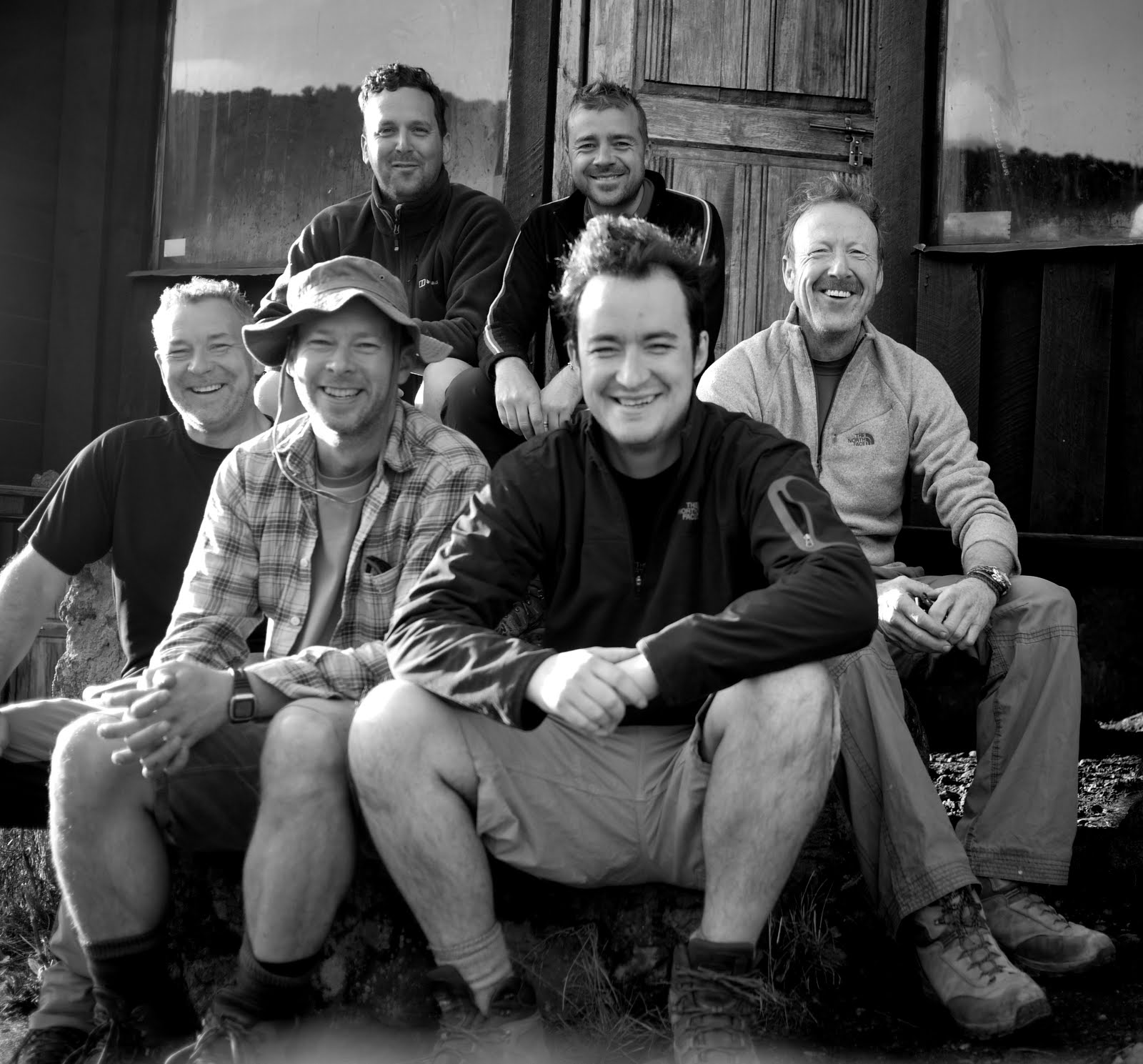
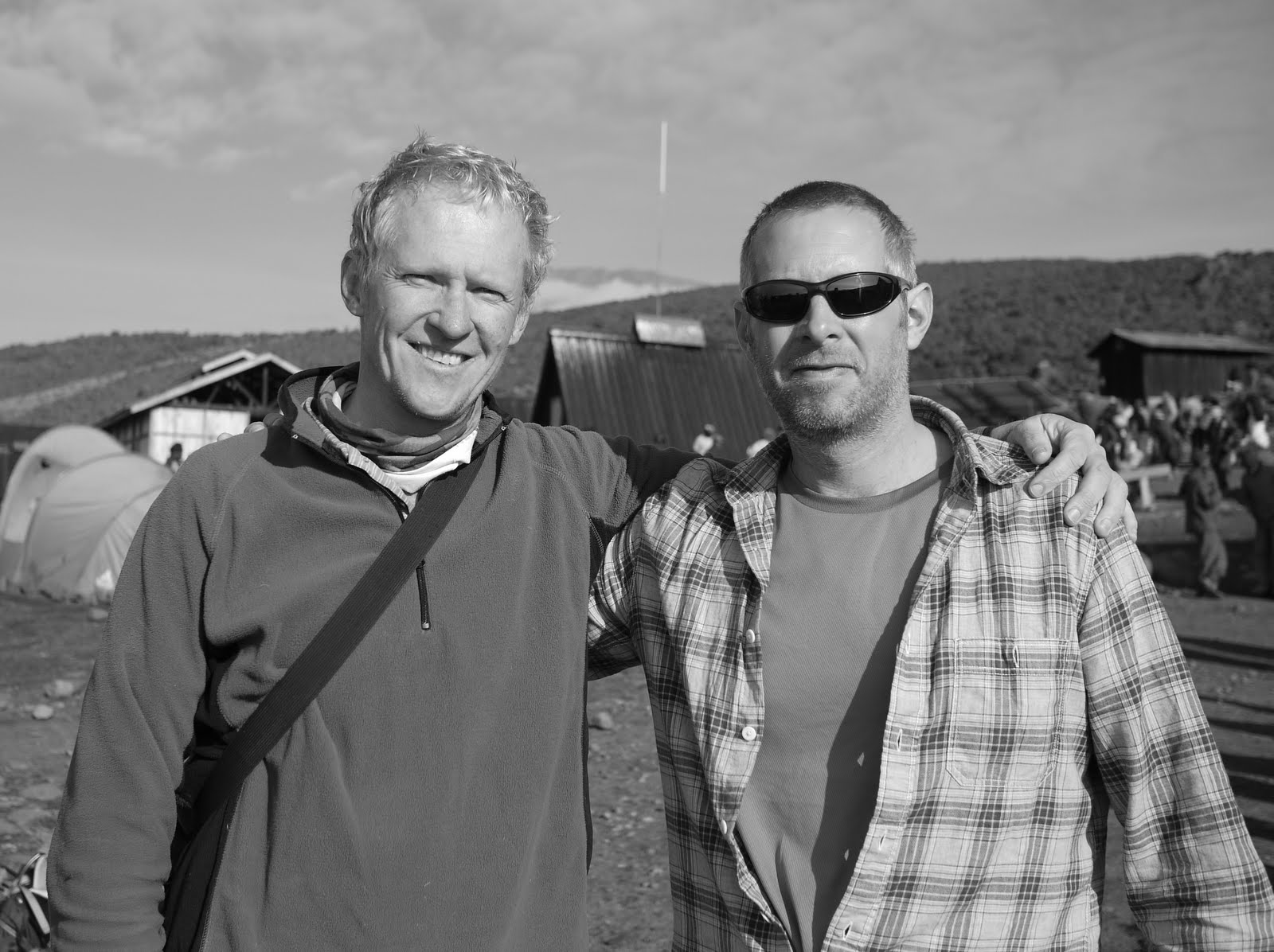
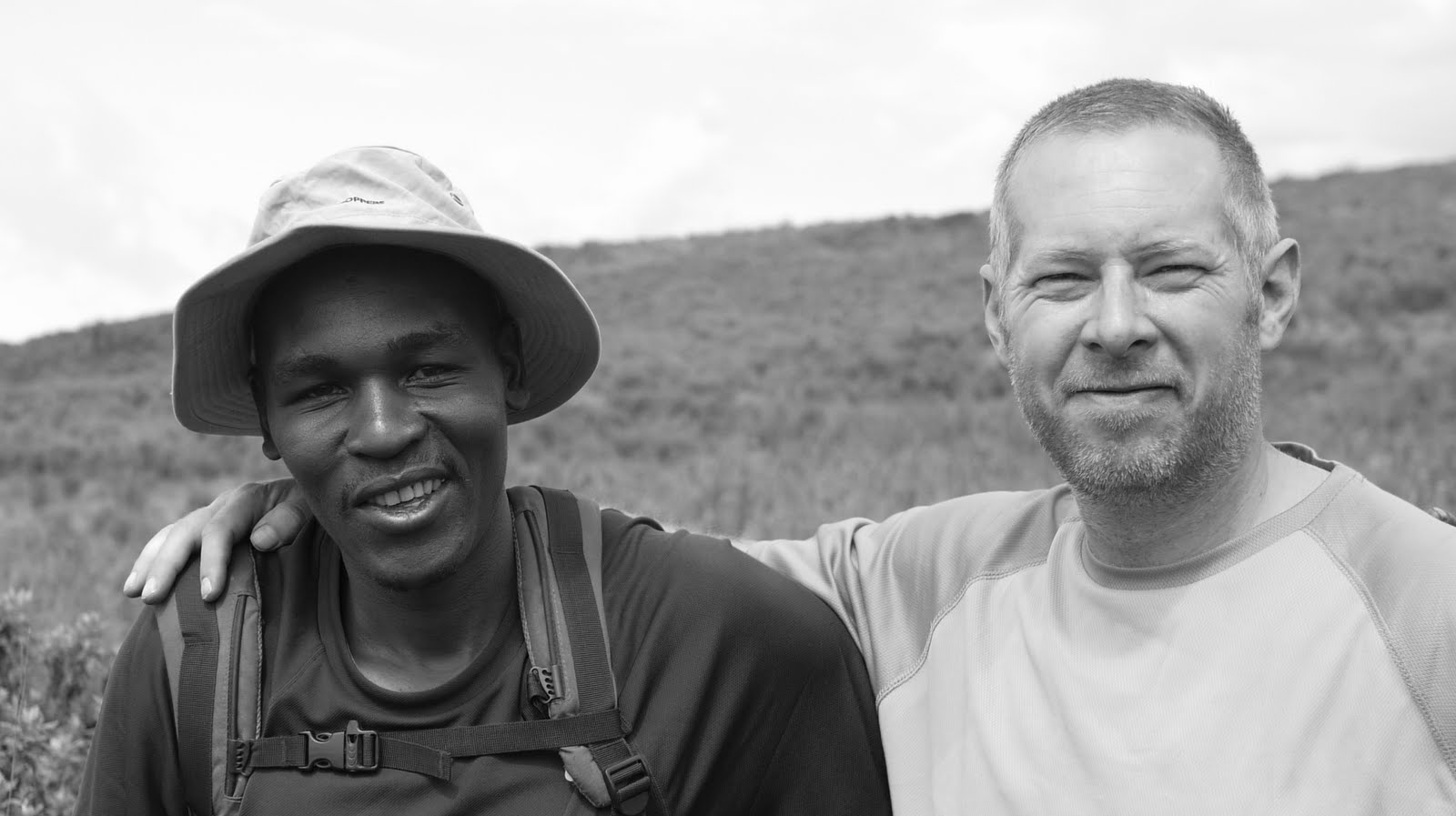
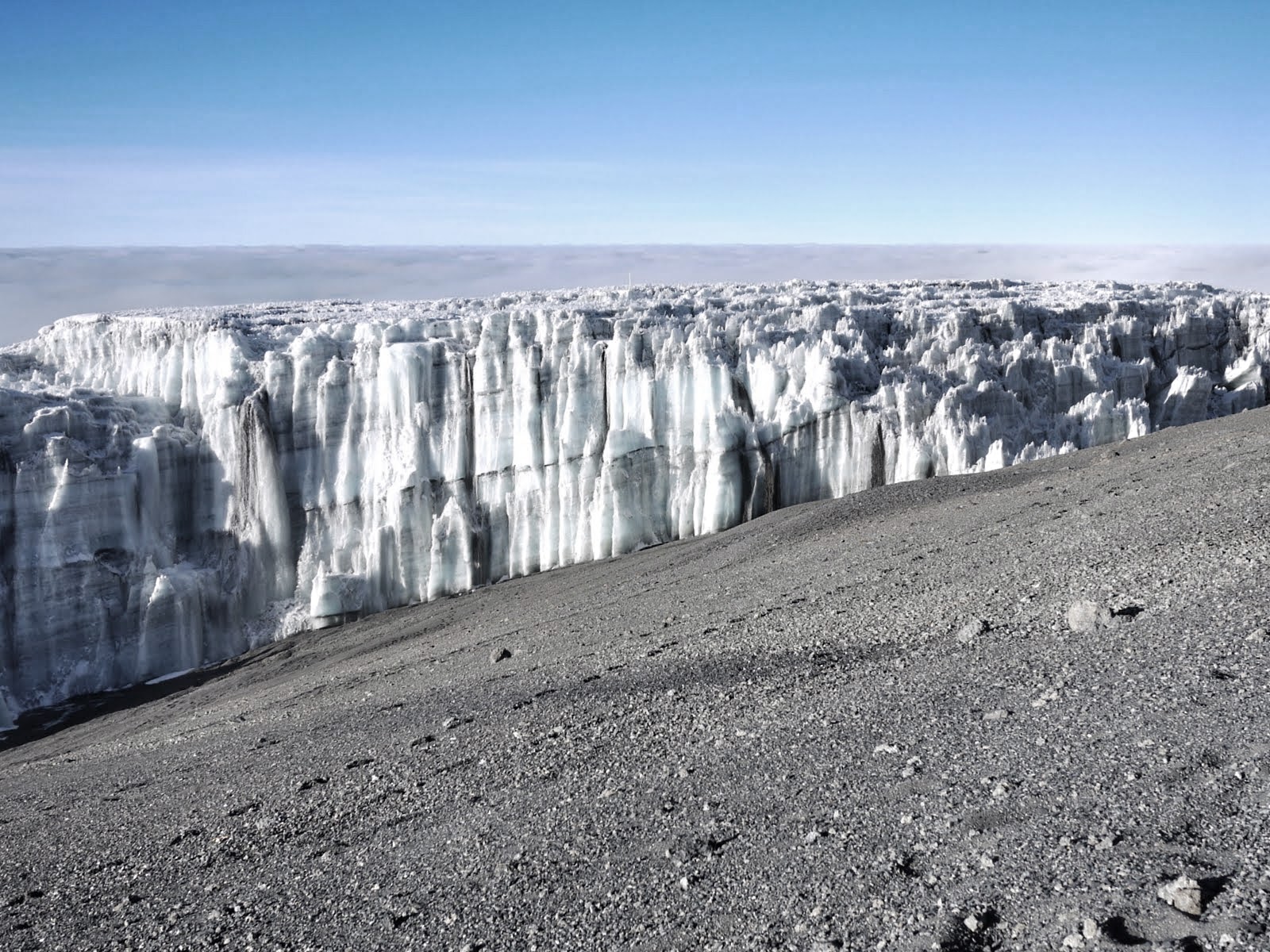
Fifteen years ago I climbed Kilimanjaro.
One of the strange things about altitude is that you can feel absolutely brilliant. You’re chatting, laughing, wondering why everyone made such a fuss. Then somewhere above about 4,500 metres, your brain quietly reminds you that it has veto powers.
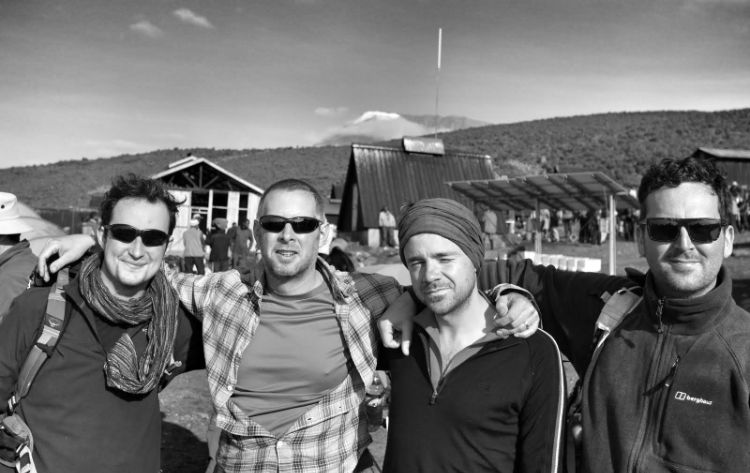
The very unsettling part is that you don’t really know how you’re going to react until you’re there.
As we climbed, we passed three German hikers being rushed down the mountain in wheeled rescue carts. The porters were absolutely flying downhill. There isn’t really a clever medical intervention for severe altitude sickness. The treatment is wonderfully low-tech: get down. Fast. Gravity becomes part of the medical team.
The really unnerving bit was that the people who got sick were all the fittest in our group. They’d looked unstoppable a few hours earlier. Then, suddenly, they weren’t. That changes the mood. Everyone carries on walking, but there’s this little voice in the back of your head saying, “I’m fine… but am I actually fine?”
That’s what working in publishing in the age of AI feels like to me.
Most days I wake up incredibly excited. There has never been a better time to build, write and create. But there’s also the quiet awareness that somewhere just ahead, a metaphorical cerebral oedema could arrive without warning. One breakthrough, one shift in behaviour, one new model, and everything you’ve spent years learning suddenly needs rethinking.
You keep climbing anyway.
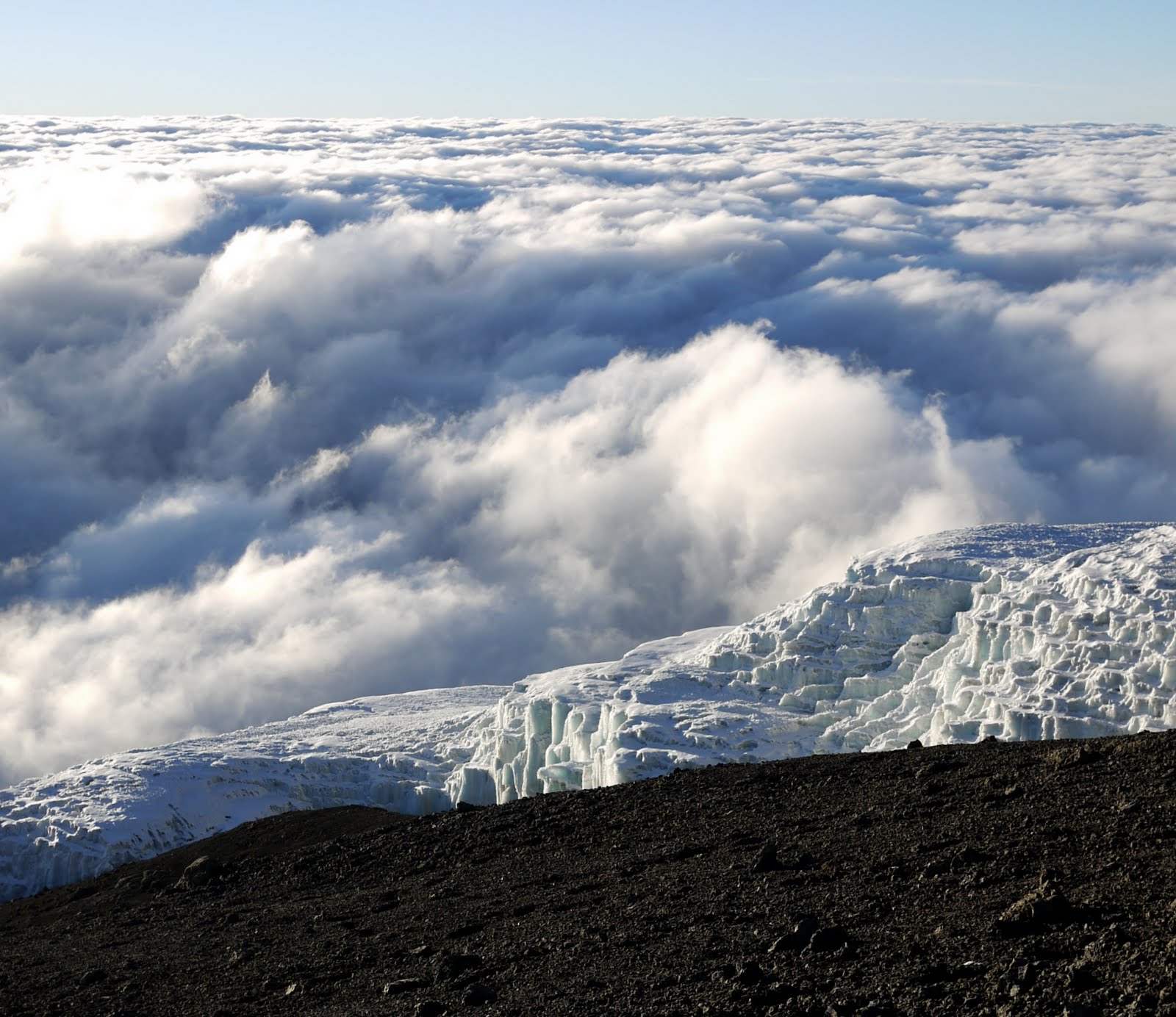
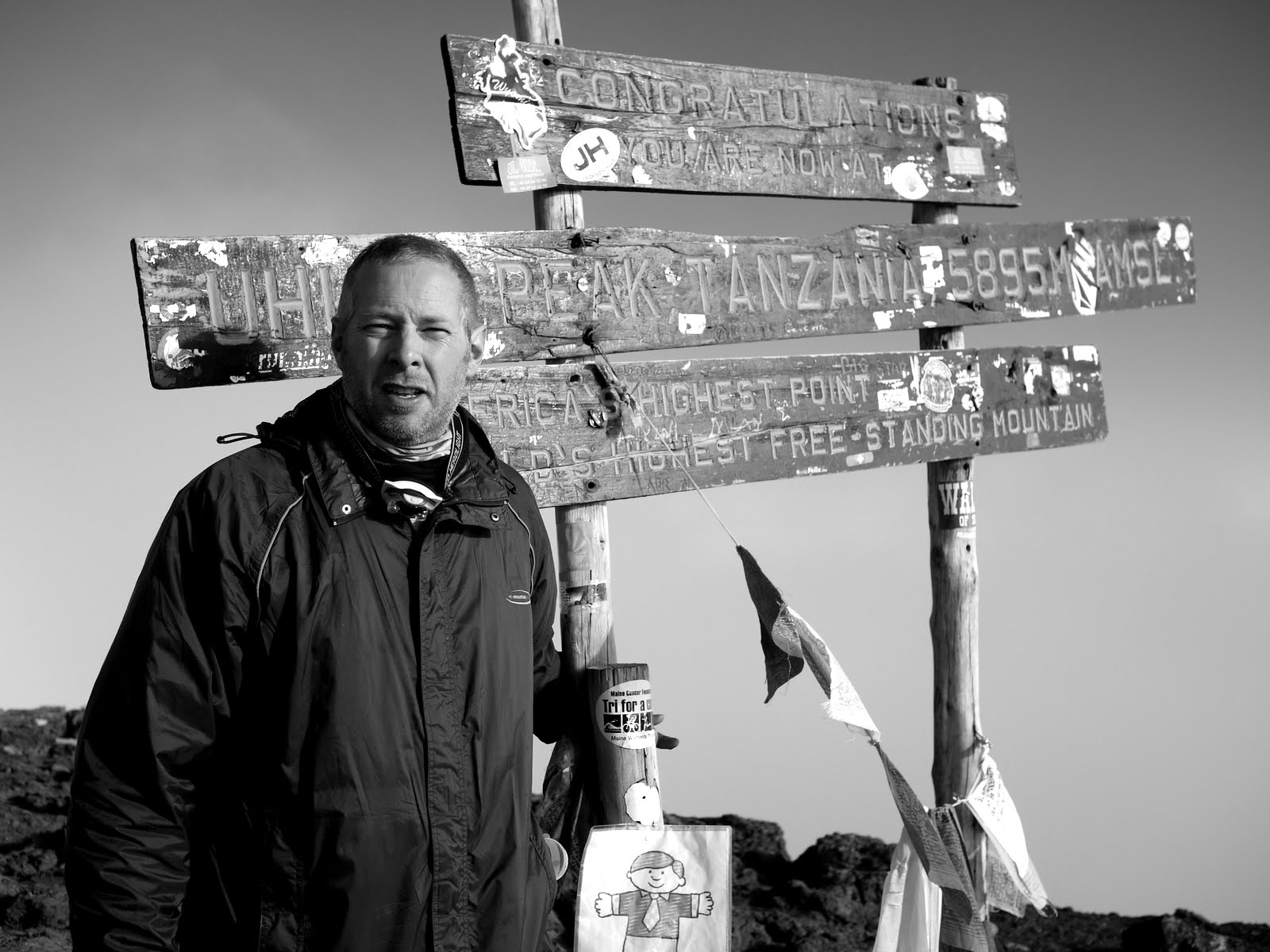
Thankfully, my friends and I made it to the summit. Watching the sun rise over Africa is still one of the most emotional experiences of my life. If you ever get the chance to climb Kilimanjaro, do it.
Just don’t get too smug at 4,400 metres.
Leave a Reply